The Ultimate In-Depth Guide to Stationary Exercise Bikes(Part 2)
- Author
- Admin
- Published
- Read Time
- 17 min read
- Likes
- 192
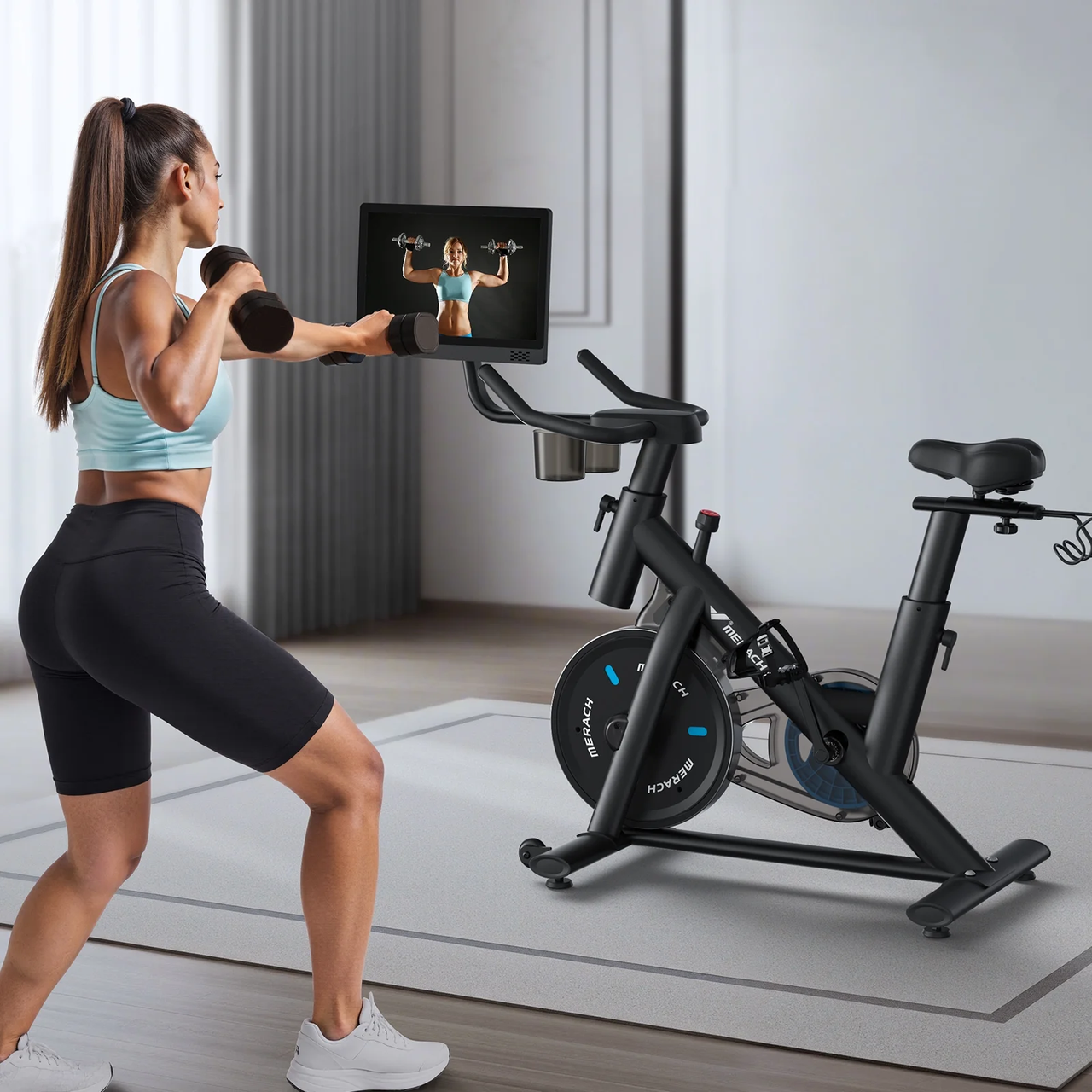
. The answer is: it depends on the bike’s features.
Basic Mechanical Models: Most budget stationary bikes (around $200-$300) are basic mechanical models—they do not need to be plugged in at all. They rely on human power (your pedaling) to operate, and the resistance is adjusted manually (usually with a knob or lever). The LCD display (if included) is powered by a small battery (which is usually included), so you don’t need an outlet to track your workout data.
These basic models are perfect for anyone who wants a simple, no-frills bike—you can use them anywhere, without worrying about power outlets. They’re also great for renters or people who move frequently, as you don’t have to plug them in or worry about damaging walls.
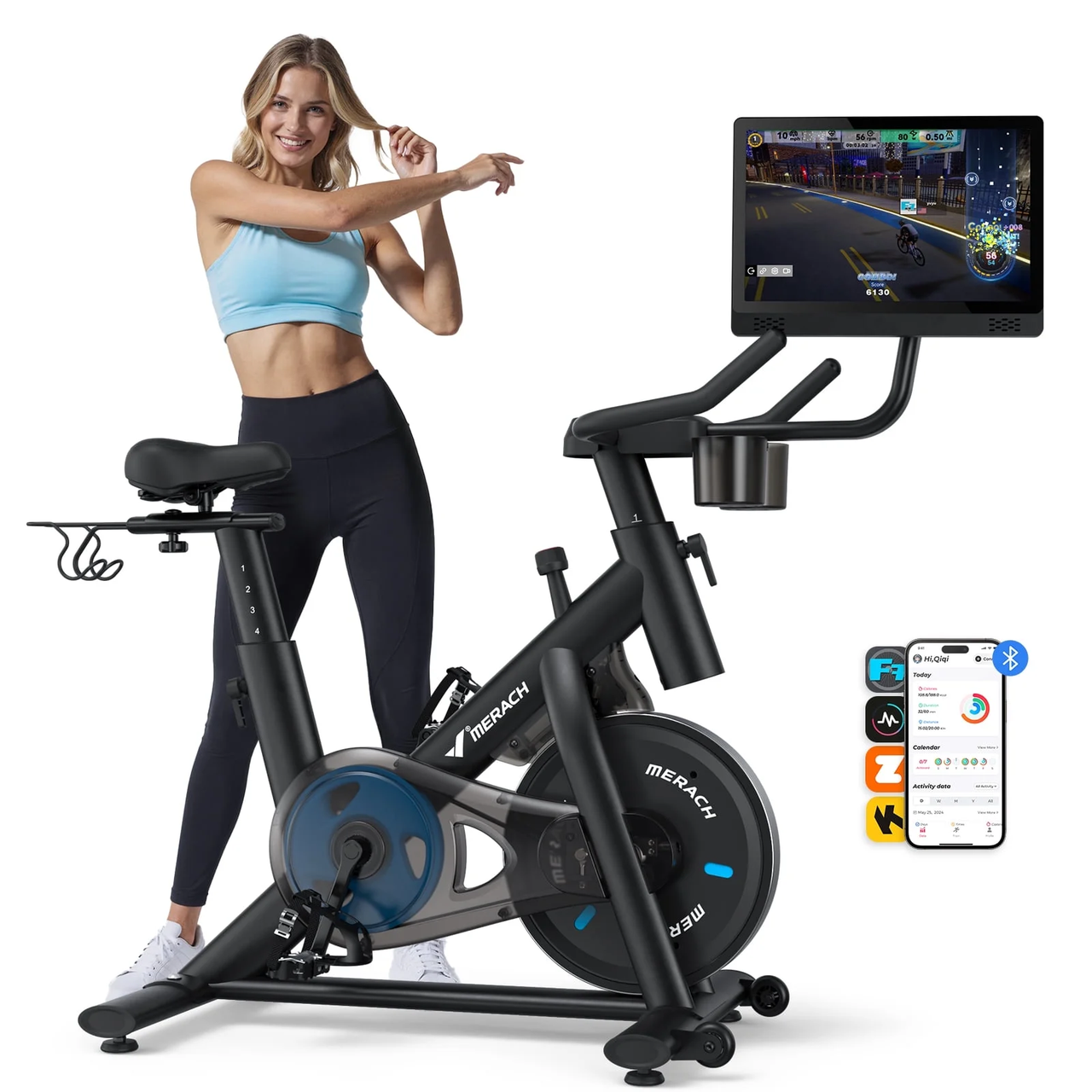
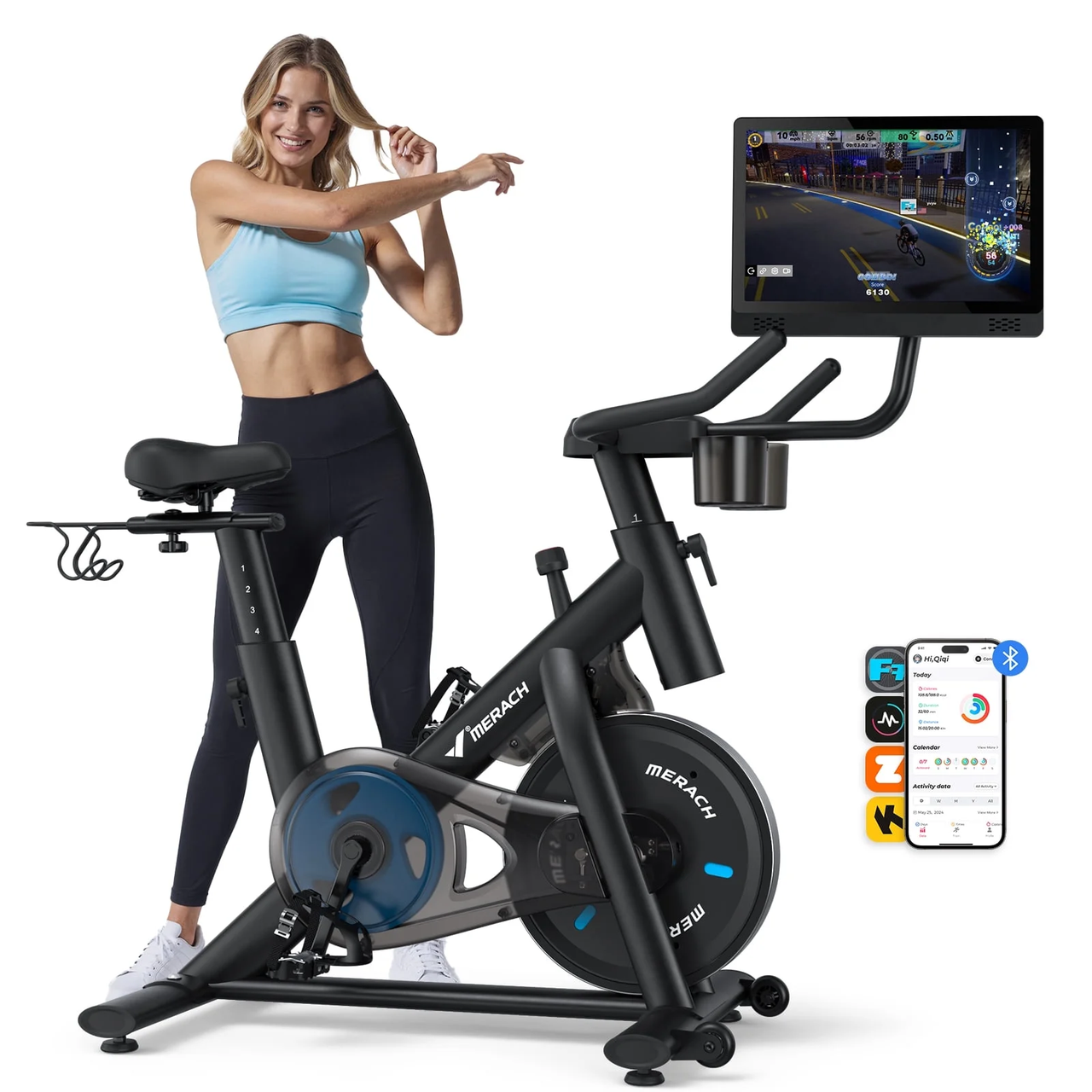
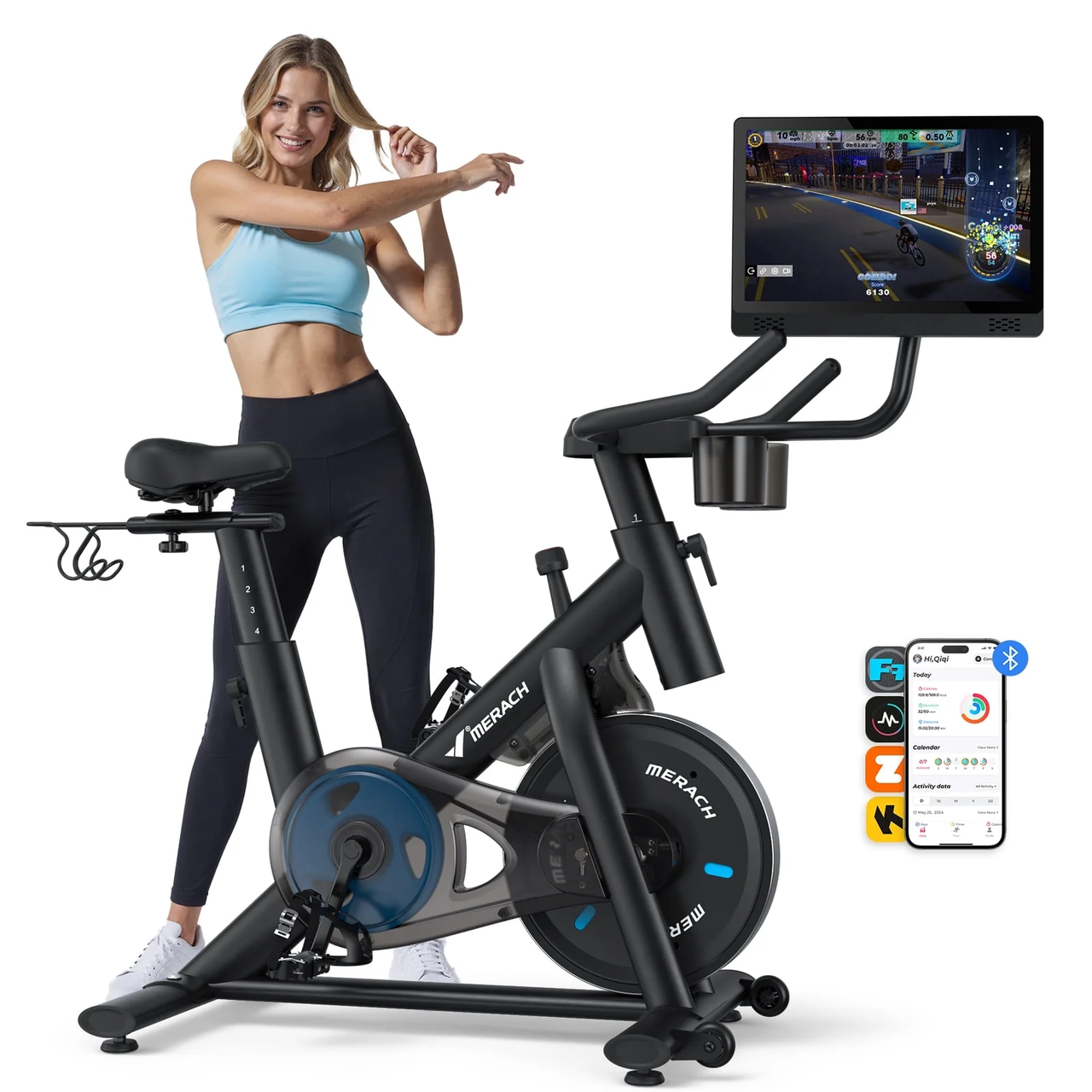
Smart Models: Mid-range to high-end stationary bikes (above $300) often have smart features like HD touch screens, Bluetooth connectivity, app integration, built-in speakers, or electric resistance adjustment. These features require power to operate, so the bike will need to be plugged in to a standard outlet (110V or 220V, depending on your location).
However, even smart models have a backup: the core pedaling function (for cardio exercise) still works without power. If you lose power or don’t have an outlet nearby, you can still pedal and exercise—you just won’t be able to use the smart features (like the screen, app, or electric resistance). This is a great backup, especially during power outages or if you want to move the bike to a different space temporarily.
The bottom line: If you want a simple bike that you can use anywhere, choose a basic mechanical model (no power needed). If you want smart features, make sure you have an outlet near where you plan to place the bike—but rest assured that you can still exercise even if the power is out.
Can I connect my phone or tablet to the exercise bike?
In the age of smartphones and tablets, many users want to connect their devices to their stationary bike for a better workout experience. The answer is: most mid-to-high-end models support device connectivity, and even basic models have a device holder.
Mid-to-High-End Smart Models: These bikes (above $300) often have built-in Bluetooth or Wi-Fi, allowing you to connect your phone or tablet directly to the bike. This connectivity lets you: stream guided workout classes (from apps like Peloton, Zwift, or the brand’s own app), track your workout data (time, speed, distance, calories, heart rate) in real time, sync your progress to your phone or fitness tracker (like Apple Watch or Fitbit), and listen to music or podcasts through the bike’s built-in speakers.
For example, a bike with app integration might let you join a live spin class from the comfort of your home, with an instructor guiding you through different resistance levels and speeds. This can make your workouts more engaging and motivating, helping you stick to your fitness routine.
Basic Models: Even budget-friendly bikes (around $200-$300) usually come with a built-in device holder—a small shelf or clamp where you can place your phone or tablet. While you can’t connect your device to the bike directly (no Bluetooth), you can still use it to watch videos, listen to music, or follow online workout tutorials while you ride. This is a simple but effective way to make your workouts more enjoyable.
A few tips for device connectivity: 1) Check the bike’s product description to see if it supports Bluetooth or app integration before buying. 2) Download the brand’s app (if available) to access guided classes and track your progress. 3) Use a phone stand or holder if your bike doesn’t have one—this keeps your device secure and easy to see while you ride.
Will riding a stationary bike make my legs bulky?
This is a common fear, especially among women: will riding a stationary bike make my legs big and bulky? The short answer is: no—unless you’re doing high-intensity, strength-focused training (which most home users don’t).
Let’s break it down: stationary biking is primarily a cardio exercise, not a strength exercise. Cardio exercises are low-to-medium intensity, long-duration activities that burn calories and improve heart health—they do not build large, bulky muscles. Instead, they tone and strengthen muscles, making them leaner and more defined.
When you ride a stationary bike at moderate intensity (the way most home users do), you’re using slow-twitch muscle fibers—these are the muscles that are used for endurance activities (like long-distance running or cycling). Slow-twitch fibers are small, lean, and resistant to fatigue—they do not grow large when trained. Fast-twitch muscle fibers (used for high-intensity, short-duration activities like sprinting or weightlifting) are the ones that grow large and bulky—but stationary biking at moderate intensity does not activate these fibers enough to cause bulk.
For example, a professional cyclist (who rides for hours a day at high intensity) may have toned, muscular legs—but they are not bulky. Their legs are lean and strong, which is the result of years of endurance training. For home users who ride 30-45 minutes a day, 4-6 times a week, the result will be leaner, more defined legs—not bulk.
If you’re still worried about bulky legs, here’s a tip: avoid riding at extremely high resistance for long periods of time. High resistance can activate fast-twitch muscle fibers, which may lead to slight muscle growth. Stick to moderate resistance and steady pedaling—this will burn calories, tone your legs, and keep them lean.
How long should I ride each day to lose weight?
Weight loss is one of the most common goals for stationary bike users, and this question is critical to achieving that goal. The answer depends on your current weight, fitness level, and diet—but there’s a general guideline that works for most people.
The key to weight loss is creating a calorie deficit: burning more calories than you consume. Stationary biking is an effective way to burn calories, but consistency is more important than intensity. For most people, 30-45 minutes of moderate-intensity riding per day, 4-6 times a week, is enough to create a sustainable calorie deficit and see clear weight loss results—when combined with a balanced diet.
Let’s put this into perspective: a 70 kg (154 pound) person riding at moderate intensity (about 60-70% of their maximum heart rate) will burn approximately 200-300 calories in 30 minutes. A 90 kg (198 pound) person will burn approximately 300-400 calories in 30 minutes. If you ride 5 days a week, that’s 1,000-2,000 calories burned per week—enough to lose 0.5-1 kg (1-2 pounds) per week (since 1 kg of fat is approximately 7,700 calories).
For beginners, it’s important to start slowly. If you’re not used to exercising, start with 15-20 minutes per day, 3-4 times a week, and gradually increase to 30-45 minutes. Don’t try to ride for an hour on your first day—this will lead to fatigue, soreness, and burnout. The goal is to build a habit that you can stick to long-term.
Another tip: combine your rides with a balanced diet. Exercise alone won’t lead to significant weight loss—you need to eat a healthy, balanced diet that’s rich in vegetables, fruits, lean protein, and whole grains, and low in processed foods, sugar, and unhealthy fats. Even a small calorie deficit (300-500 calories per day) can lead to steady, sustainable weight loss over time.
How many calories can I burn in 30 minutes?
Building on the previous question, many users want to know exactly how many calories they’re burning during their rides. The number of calories burned depends on three main factors: your weight, the resistance level, and your pedaling speed. Here’s a general breakdown to give you an idea (based on moderate intensity—pedaling at a speed where you can talk but not sing):
-
50 kg (110 pounds): 150-200 calories in 30 minutes
-
60 kg (132 pounds): 180-250 calories in 30 minutes
-
70 kg (154 pounds): 200-300 calories in 30 minutes
-
80 kg (176 pounds): 250-350 calories in 30 minutes
-
90 kg (198 pounds): 300-400 calories in 30 minutes
-
100 kg (220 pounds): 350-450 calories in 30 minutes
Keep in mind that these are estimates—your actual calorie burn may be slightly higher or lower depending on your individual metabolism, fitness level, and riding form. The LCD display on your bike will also give you an estimate of calories burned, but this is just a guide (it’s not 100% accurate).
If you want to burn more calories in 30 minutes, you can increase the resistance or pedaling speed (high-intensity interval training, or HIIT, is a great way to boost calorie burn). For example, alternating 1 minute of high resistance/fast pedaling with 2 minutes of moderate resistance/slow pedaling can burn 10-20% more calories than steady moderate-intensity riding.
Do I need to wear special shoes to ride a stationary bike?
Many users wonder if they need to buy special cycling shoes to ride a stationary bike. The answer is: no—regular soft-soled sneakers work perfectly for home use.
Special cycling shoes (the kind used for outdoor cycling or spin classes) have stiff soles and cleats that clip into the pedals. These shoes are designed to make pedaling more efficient—they transfer more of your energy to the pedals, reducing fatigue and improving performance. However, they are not necessary for home use, especially if you’re riding for 30-45 minutes a day at moderate intensity.
Regular soft-soled sneakers (like running shoes or walking shoes) are comfortable, supportive, and safe for stationary biking. They have flexible soles that allow your feet to move naturally, and they provide enough grip to keep your feet on the pedals. Just make sure your shoes are clean and dry—wet or slippery shoes can cause your feet to slip off the pedals, leading to injury.
A few tips for footwear: 1) Avoid wearing sandals, flip-flops, or bare feet—these can slip off the pedals and cause injury. 2) Choose shoes with a flat or slightly curved sole—high-heeled shoes or boots are uncomfortable and unsafe. 3) Make sure your shoes fit properly—tight shoes can cause blisters, while loose shoes can slip.
If you become a more serious rider (riding for an hour or more a day, or doing high-intensity training), you may want to invest in special cycling shoes—but for most home users, regular sneakers are more than enough.
Can children or teenagers use a stationary exercise bike?
Many families want to know if their children or teenagers can use the stationary bike—either to stay active or to join in on family fitness time. The answer depends on the age of the child:
Teenagers (13-18 years old): Yes, teenagers can safely use a stationary bike—with adult supervision, especially at first. Teenagers are usually tall enough to adjust the seat and handlebars to fit their body, and they have the coordination to pedal safely. However, it’s important to set clear guidelines: 1) Adjust the seat height so that their leg is slightly bent at the lowest pedal position. 2) Start with low resistance and short sessions (10-15 minutes) and gradually increase. 3) Avoid high intensity or long sessions—teenagers’ bodies are still growing, and overexercising can lead to injury. 4) Supervise them to make sure they’re using the bike correctly (no standing on the pedals, no leaning too far forward, etc.).
Younger Children (under 13 years old): It’s not recommended for children under 13 to use a stationary exercise bike. Most bikes are designed for adults and teenagers—they’re too tall for young children, and the pedals are too far apart. Young children also lack the coordination and strength to use the bike safely, and they may be at risk of falling or getting their hands or feet caught in the moving parts.
If you have young children, keep the bike in a space where they can’t reach it unsupervised. For teenagers, using the stationary bike can be a great way to stay active, improve cardio health, and develop healthy exercise habits that will last a lifetime.
Can I use a stationary bike right after eating? (Timing Your Workouts for Comfort)
This is a practical question that many users ask—especially those who like to exercise after dinner. The answer is: it’s not recommended to ride a stationary bike right after eating.
When you eat, your body redirects blood flow to your digestive system to break down food. If you exercise right after eating, your body has to split its resources between digestion and exercise—which can lead to discomfort, bloating, nausea, or even cramping. This is especially true if you eat a large meal (like dinner) and then try to ride at high intensity.
The general guideline is to wait at least 1 hour after a full meal before exercising. If you eat a small snack (like a banana or a handful of nuts), you can wait 30-45 minutes. This gives your body enough time to start digesting the food, so you can exercise comfortably without any discomfort.
A few tips for timing your workouts: 1) If you prefer to exercise after dinner, eat a lighter meal (like grilled chicken, vegetables, and rice) instead of a heavy, greasy meal. 2) Avoid exercising on an empty stomach—this can lead to low energy, dizziness, or fatigue. 3) Drink plenty of water before and after your ride, but avoid drinking too much right after eating (this can also cause bloating).
Maintaining Your Stationary Bike—Longevity and Performance
A stationary bike is an investment—and like any investment, you want to take care of it to ensure it lasts as long as possible. These questions focus on how to maintain your bike, how long it should last, and how to keep it running smoothly.
How often should I maintain my stationary exercise bike? (Simple Maintenance Tips)
The good news is: stationary bikes are low-maintenance—you don’t need to spend hours every week taking care of them. With a few simple steps, you can keep your bike running smoothly for years. Here’s a breakdown of how often to do each maintenance task:
After Every Ride (5 minutes): Wipe down the seat, handlebars, and frame with a dry cloth to remove sweat. Sweat contains salt and moisture, which can cause rust and corrosion over time—especially on metal parts. This simple step takes just 5 minutes and will significantly extend the life of your bike.
Every 1-2 Months (10-15 minutes): Check all screws and bolts to make sure they’re tight. Over time, the vibration from pedaling can loosen screws—especially on the seat, handlebars, and pedals. Use the included wrench or Allen key to tighten any loose screws (but don’t over-tighten, as this can damage the frame). Also, clean the flywheel and resistance system with a dry cloth to remove dust and debris—this keeps the pedaling motion smooth.
Every 6-12 Months (Optional): If you have a friction resistance bike, you may need to replace the brake pads (if they’re worn down). Magnetic resistance bikes require no extra maintenance—no oiling, no part replacement, nothing. Just keep them clean and dry, and they’ll keep running smoothly.
A few additional maintenance tips: 1) Keep your bike in a dry, well-ventilated area—avoid placing it in a damp basement or outdoor balcony (moisture can damage electronic parts and cause rust). 2) Avoid spilling liquids on the bike—this can damage the display or internal components. 3) If your bike has transport wheels, use them to move it (instead of dragging it)—this prevents damage to the frame and wheels.
How long can a good stationary exercise bike last?
The lifespan of a stationary bike depends on its quality, how often you use it, and how well you maintain it. But in general, a good-quality magnetic resistance stationary bike can last 5-10 years—and sometimes even longer.
Here’s why: magnetic resistance bikes have no wearable parts (like brake pads), so there’s almost no wear and tear on the core components. The frame is made of steel, which is durable and can withstand daily use for years. As long as you keep the bike clean, tighten the screws regularly, and avoid misuse (like standing on the pedals or overloading the weight capacity), it will last for a long time.
Budget-friendly magnetic resistance bikes (around $200-$300) typically last 5-7 years with regular use and maintenance. Mid-range to high-end models (above $300) can last 7-10 years or more—many brands offer 3-5 year warranties on the frame, which is a testament to their durability.
Friction resistance bikes, on the other hand, have a shorter lifespan—usually 2-5 years. The brake pads wear out quickly, and the frame is often made of lower-quality materials. Even with regular maintenance, they’ll eventually start to break down.
The bottom line: investing in a good-quality magnetic resistance bike is worth it—you’ll get years of reliable use, making it a cost-effective choice for home fitness (especially compared to gym memberships, which can cost $50-$100 per month).
Conclusion—Making the Most of Your Stationary Bike
A stationary exercise bike is more than just a piece of fitness equipment—it’s a tool to help you stay active, healthy, and happy, right in the comfort of your own home. By answering the 20 most common questions about stationary bikes, we’ve covered everything you need to know to choose the right bike, use it safely and effectively, and maintain it for years to come.
To recap: choose a magnetic resistance bike (quiet, smooth, low-maintenance) if you live in an apartment or shared space; opt for a budget-friendly model ($200-$300) if you’re a beginner or on a tight budget; choose an upright bike for space efficiency or a recumbent bike for extra comfort; ride 30-45 minutes a day, 4-6 times a week, for weight loss and cardio health; and maintain your bike with simple, regular care to extend its lifespan.
The most important thing to remember is: consistency is key. A stationary bike won’t change your life overnight, but with regular use, it can help you lose weight, improve your cardio health, strengthen your muscles, and reduce stress—all while being safe, convenient, and easy to stick to. Whether you’re a busy professional, a senior, a fitness beginner, or a parent looking to get the whole family active, a stationary bike is a valuable addition to any home.
Now, it’s your turn: do you have a stationary bike at home? What’s your favorite thing about riding it? Or if you’re planning to buy one, which question was most helpful for you? Leave a comment below—we’d love to hear from you!
Frequently Asked Questions (FAQ) – Quick Reference
Below is a quick reference of the most interesting questions and their answers, for easy access:
Q6: Can I connect my phone or tablet to the exercise bike?
A: Mid-to-high-end models support Bluetooth/app integration. Basic models have a device holder for videos/music.
Q7: How much space does a stationary bike take at home?
A: Upright: 0.3–0.4㎡; Recumbent: 0.4–0.6㎡; Folding: 0.1–0.2㎡ when stored.
Q8: Will riding a stationary bike make my legs bulky?
A: No—moderate riding is cardio, toning legs to be lean, not bulky.
Q9: How long should I ride each day to lose weight?
A: 30–45 minutes/day, 4–6 times/week, plus a balanced diet.
相关
Abstract: Curated for small apartments, renters and compact living spaces, discover the 2026 top 5 quiet, space-saving stationary bikes. We break down...
Looking for a quiet, reliable home stationary exercise bike that fits your budget? We’ve tested and reviewed 5 top options for 2026, covering budget-friendly, space-saving, heavy-duty and beginner-friendly models. Learn their key features, pros/cons and how to choose, to enjoy convenient home cardio without noise or overspending.
![The Ultimate In-Depth Guide to Stationary Exercise Bikes(Part 1)-image.png](https://virtualman.oss-cn-beijing.aliyuncs.com/media_upload/material/122...