The Ultimate In-Depth Guide to Stationary Exercise Bikes(Part 1)
- Author
- Admin
- Published
- Read Time
- 21 min read
- Likes
- 168
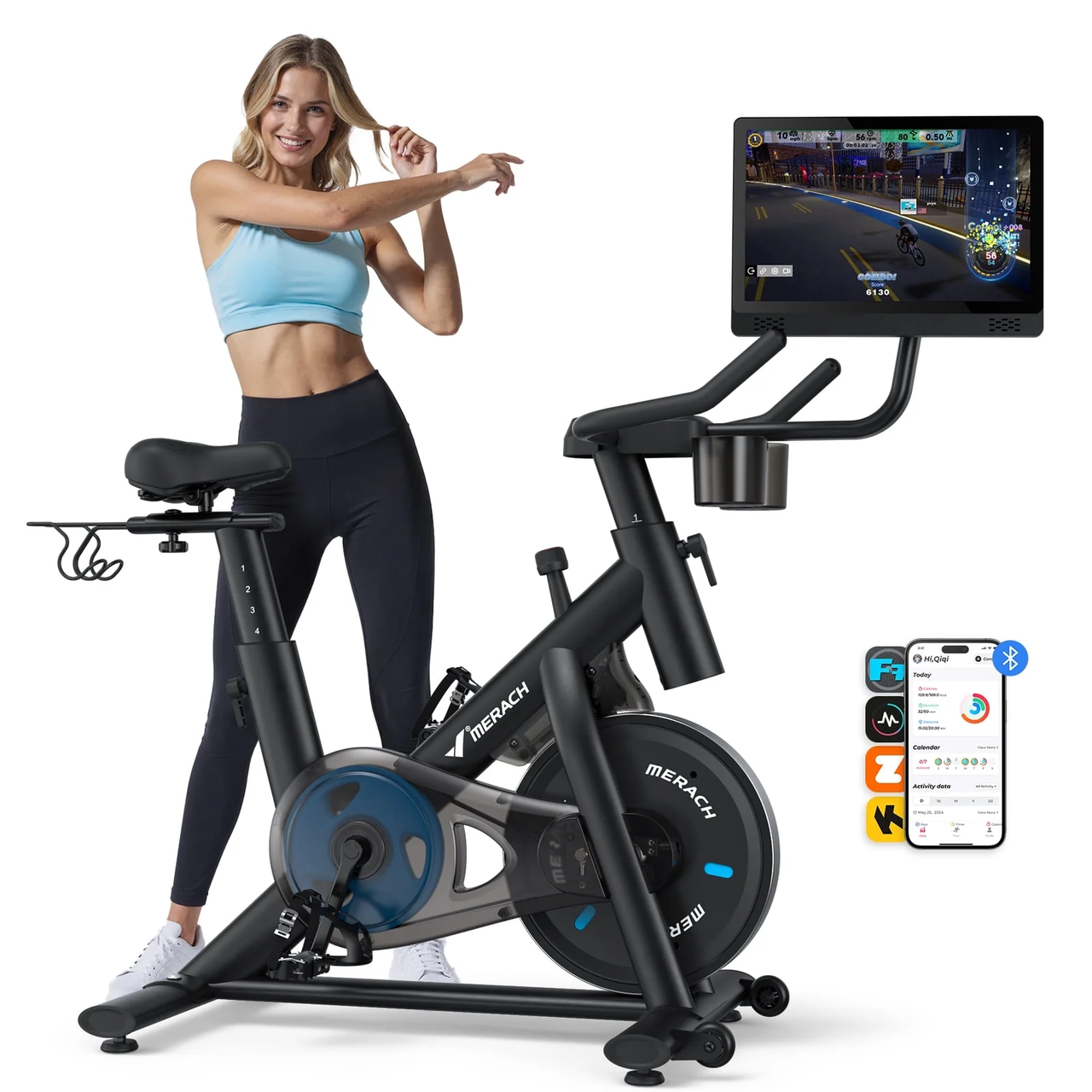
, stationary biking is a seated, smooth motion that places minimal stress on joints—making it one of the safest cardio options available. It’s also compact: most models take up just 0.3-0.5 square meters (about the size of a small chair), and folding versions can be stored under beds or in closets when not in use. Finally, it’s versatile: it can be used for gentle warm-ups, intense fat-burning sessions, rehabilitation, or even just a way to stay active while watching TV or listening to a podcast.
Now, let’s tackle the first set of common questions—those that focus on understanding the bike itself, its key components, and whether it’s right for you.
What’s the difference between magnetic and friction resistance stationary bikes?
If there’s one question that separates informed buyers from those who end up disappointed, it’s this: understanding the difference between magnetic and friction resistance. The resistance system is the "heart" of a stationary bike—it determines how quiet the bike is, how smooth it rides, how long it lasts, and how much maintenance it requires. Let’s break down both types in simple terms, so you can see exactly why magnetic resistance is almost always the better choice for home use.
Magnetic Resistance Bikes: As the name suggests, these bikes use magnetic force to create resistance. Inside the bike, there’s a flywheel (a heavy metal disk that spins when you pedal) and a set of magnets. When you adjust the resistance level, the magnets move closer to or farther from the flywheel—no physical contact, no friction, just the power of magnetism slowing the flywheel down. This design has three game-changing benefits for home users: it’s ultra-quiet (quieter than normal conversation, usually below 30 decibels), smooth (no jerky movements or friction-induced vibrations), and low-maintenance (no wearable parts like brake pads to replace). Since there’s no contact between the magnets and the flywheel, there’s almost no wear and tear—these bikes can last for 5-10 years with basic care.
Think of it like this: imagine waving a magnet near a metal spoon—you can feel the pull of the magnet without touching the spoon. That’s exactly how magnetic resistance works—gentle, consistent, and contact-free. Most mid-range to high-end home bikes use magnetic resistance, and even many budget-friendly models (around $200-$300) now feature this technology.
Friction Resistance Bikes: These are the older, cheaper alternative. Instead of magnets, they use brake pads (similar to the ones on a regular bicycle) that press against the flywheel to create resistance. When you turn up the resistance, the brake pads press harder against the flywheel—creating friction, noise, and wear. While these bikes are cheaper (often under $100), they come with significant drawbacks: they’re noisy (the sound of brake pads rubbing against metal can be loud enough to disturb family or neighbors), choppy (the resistance can feel uneven, especially as the brake pads wear down), and high-maintenance (the brake pads wear out quickly—usually every 6-12 months—and need to be replaced). Over time, the flywheel can also become scratched from the brake pads, reducing the bike’s lifespan.
The bottom line: For home use, especially in apartments or shared spaces, magnetic resistance is non-negotiable. Friction resistance bikes are only worth considering if you’re on an extremely tight budget and don’t mind the noise and maintenance—but even then, you’ll likely end up replacing the bike sooner than a magnetic model.
Are stationary bikes quiet enough for apartments?
This question is directly tied to the resistance system, so it’s worth addressing here. For apartment dwellers or anyone living in shared spaces, noise is a major concern—no one wants to be the neighbor who’s up at 6 a.m. making a racket, or the family member disturbing a work-from-home partner at noon. The good news is: high-quality magnetic resistance stationary bikes are quiet enough for even the smallest apartments.
As we mentioned earlier, magnetic resistance bikes operate at under 30 decibels—quieter than a normal conversation (which is around 60 decibels), a ceiling fan (40 decibels), or even a whisper (30-35 decibels). You can ride at 5 a.m. or 11 p.m. without waking anyone up, and your neighbors downstairs or next door won’t even know you’re exercising. The only noise you’ll hear is the gentle hum of the flywheel spinning and your own breathing—nothing more.
Friction resistance bikes, on the other hand, are a different story. The rubbing of brake pads against the flywheel can reach 50-60 decibels—loud enough to be distracting, especially in quiet spaces. If you live in an apartment, avoid friction resistance bikes at all costs. Even the cheapest magnetic resistance bike will be quieter and more neighbor-friendly than a friction model.
Is a heavier flywheel better for a stationary bike?
Another question tied to the bike’s mechanics is about the flywheel—specifically, whether a heavier flywheel means a better bike. You’ll often see brands marketing "heavy flywheels" as a selling point, but the truth is more nuanced, especially for home users.
First, what is a flywheel? The flywheel is a heavy metal disk inside the bike that spins when you pedal. Its job is to create momentum, making the pedaling motion smoother and more consistent (like how a spinning top stays upright longer when it’s heavier). A heavier flywheel can make the ride feel more like outdoor cycling—with more "inertia" to keep the pedals moving, even when you’re not exerting maximum effort.
But here’s the key: for home users, a heavier flywheel is not always better. Most home stationary bikes have flywheels between 6-16 kilograms (13-35 pounds), and this range is more than sufficient for daily cardio, fat burning, and general fitness. A flywheel heavier than 16 kilograms (35 pounds) will make the bike bulkier, heavier (harder to move), and more expensive—without providing any meaningful benefit for most users.
For example, if you’re a beginner or someone who rides for 30-45 minutes a day at moderate intensity, a 6-10 kg flywheel will feel smooth and consistent. If you’re a more experienced rider who does high-intensity interval training (HIIT), a 12-16 kg flywheel might feel slightly more stable—but even then, the difference is minimal. The smoothness of the flywheel (how well it’s balanced) is far more important than its weight.
Don’t fall for the "heavier = better" marketing trap. Focus on the resistance system (magnetic is best) and the overall build quality—those are the factors that will make a bigger difference in your riding experience than flywheel weight.
What’s the difference between upright and recumbent bikes?
Once you’ve decided on a magnetic resistance bike, the next choice is style: upright or recumbent. These are the two main types of stationary bikes for home use, and each is designed for different user needs and preferences. Let’s break down the differences, so you can choose the one that’s best for you.
Upright Bikes: These are the most common type of stationary bike—they look and feel like a regular outdoor bicycle. You sit upright, with your hands on handlebars (similar to a road bike or mountain bike), and your feet on pedals below you. Upright bikes are compact (usually smaller than recumbent models), lightweight, and sporty—making them ideal for most home users, especially those with limited space.
Pros of upright bikes: They take up less space (0.3-0.4 square meters), are easier to move, and encourage a more natural riding posture (similar to outdoor cycling). They also engage your core more, since you have to keep your upper body stable while pedaling. Cons: They provide less back support, so they may not be as comfortable for people with lower back pain or seniors who need extra support.
Recumbent Bikes: These bikes have a laid-back design—you sit in a reclined position (like a lounge chair) with a padded backrest, and your feet pedal out in front of you (instead of below). Recumbent bikes are designed for comfort and support, making them perfect for seniors, people with back pain or joint issues, or anyone who wants a more relaxed riding experience.
Pros of recumbent bikes: The backrest provides excellent support for the lower back, reducing strain and making long rides (45+ minutes) more comfortable. The reclined position also puts less pressure on the knees and hips, making them even more joint-friendly than upright bikes. Cons: They take up more space (0.4-0.6 square meters) and are heavier, so they’re less ideal for small apartments or renters who need to move the bike frequently.
How to choose: If you’re a healthy adult with no back or joint issues, an upright bike is a great choice (especially if you have limited space). If you’re a senior, have lower back pain, or prefer a more comfortable, relaxed ride, a recumbent bike is worth the extra space. Many families also choose one of each—but for most households, one well-chosen bike (either upright or recumbent) will meet all their needs.
How much space does a stationary bike take at home?
Space is a top concern for nearly every home fitness enthusiast—especially those living in apartments, studios, or small houses. The good news is: stationary bikes are some of the most space-efficient fitness equipment available. Let’s break down the space requirements for different types of bikes, so you can plan accordingly.
Upright Bikes: Most upright models measure approximately 100 cm (length) x 50 cm (width) x 120 cm (height)—which translates to about 0.3-0.4 square meters of floor space. That’s roughly the size of a small chair or a side table. You’ll also need a little extra space around the bike (about 30 cm on all sides) to get on and off comfortably, but even with that, it can fit in a corner of your living room, bedroom, or balcony.
Recumbent Bikes: Recumbent bikes are longer (since the pedals are in front of you), so they take up slightly more space—approximately 150 cm (length) x 60 cm (width) x 100 cm (height), or 0.4-0.6 square meters of floor space. They’re still compact enough for most homes, but you’ll need to make sure you have a longer, narrower space (like along a wall) to place them.
Folding Bikes: For those with extremely limited space (like studio apartments or tiny houses), folding stationary bikes are a game-changer. These bikes (usually upright models) can be folded in half when not in use, reducing their floor space to just 0.1-0.2 square meters. They can be stored under beds, in closets, behind sofas, or even in a storage cabinet. The only trade-off: folding bikes are slightly less stable than non-folding models, but most are still durable enough for daily use.
A quick tip: Before buying a bike, measure the space where you plan to place it (including the extra room needed to get on and off). Most brands list the dimensions of their bikes on their product pages, so you can double-check that it will fit. And remember: even if you have a small space, a stationary bike is almost always a better choice than a treadmill (which takes up 0.8-1.0 square meters) or an elliptical (0.6-0.8 square meters).
Now that you understand the basics of stationary bikes, let’s move on to the next set of高频 questions—those that help you choose the right bike for your budget, body type, and lifestyle. These questions are critical, as they’ll determine whether your bike is a good investment or a waste of money.
Choosing the Right Stationary Bike—Budget, Reliability, and Suitability
Now that you understand the basics of stationary bikes—from resistance systems to bike styles—it’s time to dive into the next critical step: choosing the right bike for you. With so many options on the market, from budget-friendly models to high-end smart bikes, it’s easy to feel overwhelmed. This second part of our guide focuses on the key factors that will help you narrow down your choices: budget, reliability, and suitability for your body type and lifestyle. Whether you’re a senior, an overweight individual, a beginner, or someone on a tight budget, we’ll answer the most common questions to ensure you pick a bike that’s safe, effective, and worth your investment.
Now that you understand the basics of stationary bikes, let’s move on to the next set of common questions—those that help you choose the right bike for your budget, body type, and lifestyle. These questions are critical, as they’ll determine whether your bike is a good investment or a waste of money.
Are budget stationary bikes around $200–$300 reliable for daily use?
One of the most common questions from first-time buyers is about budget: can a cheap stationary bike (around $200-$300) really be reliable for daily use? The short answer is: yes—if you choose the right one. The longer answer is: it depends on what you’re looking for, and which models you avoid.
Let’s start with the good news: there are plenty of well-built, reliable stationary bikes in the $200-$300 range that are perfect for daily home use. These bikes typically feature: magnetic resistance (the most important factor), a stable steel frame (with a weight capacity of 100-120 kg/220-265 pounds), a basic LCD display (to track time, speed, distance, and calories), and an adjustable seat and handlebars. They may not have all the bells and whistles of high-end models (like HD screens, app connectivity, or built-in speakers), but they do exactly what you need them to do: provide effective, low-impact cardio exercise.
For example, a $250 magnetic resistance upright bike will be quiet, smooth, and durable enough for 30-45 minutes of daily riding. It will help you burn calories, improve your cardio health, and tone your legs—all without breaking the bank. Many of these budget models also come with a 1-2 year warranty, so you can have peace of mind knowing that if something goes wrong, you’re covered.
The key is to avoid extremely cheap bikes under $100. These bikes are almost always friction resistance models, with weak, flimsy frames (weight capacity under 100 kg/220 pounds), poor construction, and no warranty. They may work for a few weeks or months, but they’ll quickly start to shake, make noise, or break down—leaving you with a useless piece of equipment and a wasted investment.
Another tip: read reviews before buying. Look for budget bikes with 4+ star ratings and comments like "quiet," "stable," and "durable." Avoid bikes with consistent complaints about shaking, noise, or broken parts. With a little research, you can find a budget-friendly stationary bike that’s reliable, effective, and perfect for your home fitness needs.
Can seniors or people with knee pain use a stationary bike safely?
This is one of the most important questions for many users—especially those who want to stay active but are concerned about joint pain or mobility issues. The answer is a resounding yes: stationary bikes are one of the safest, most joint-friendly cardio options available for seniors and people with knee pain.
Let’s start with why: stationary biking is a low-impact exercise. Unlike running, jumping, or even walking (which put pressure on your knees, ankles, and hips), stationary biking is a seated, smooth motion that places minimal stress on your joints. When you pedal, your knees move in a circular motion, with the weight of your body supported by the seat—so your knees only have to bear a small fraction of your body weight (usually less than 50% of your weight).
For people with knee pain (from arthritis, injuries, or general wear and tear), this low-impact motion is ideal. It allows you to get your heart rate up, improve blood circulation, and strengthen the muscles around your knees (which helps support the joint) without exacerbating pain or causing further damage. In fact, many doctors and physical therapists recommend stationary biking as part of rehabilitation programs for knee injuries or arthritis.
Seniors also benefit greatly from stationary biking. It’s easy to get on and off (especially recumbent models, which have lower seats and backrests), and the adjustable resistance allows them to start at a gentle pace and gradually increase intensity. Regular riding helps seniors maintain mobility, improve balance, boost energy levels, and reduce the risk of falls—all while being safe and comfortable.
A few tips for seniors or people with knee pain: 1) Choose a recumbent bike if you need extra back support. 2) Adjust the seat height so that your leg is slightly bent (about 15-30 degrees) when the pedal is at the lowest point—this reduces strain on your knees. 3) Start with low resistance and short sessions (10-15 minutes) and gradually increase as you feel more comfortable. 4) Avoid high resistance, which can put unnecessary pressure on your knees.
Can overweight people use stationary bikes safely?
Another common concern is whether stationary bikes are safe for overweight or obese individuals. The answer is yes—as long as you choose a bike with a high enough weight capacity and use it correctly. In fact, stationary bikes are one of the best fitness options for overweight people, as they’re low-impact, stable, and easy to adapt to different fitness levels.
The most important factor for overweight users is the bike’s weight capacity. Most budget stationary bikes have a weight capacity of 100-120 kg (220-265 pounds), while mid-range to high-end models can support 120-150 kg (265-330 pounds) or more. Before buying, make sure the bike’s weight capacity is at least 10-15 kg (22-33 pounds) more than your current weight—this ensures that the frame is strong enough to support you safely, without shaking or breaking.
Stationary bikes are also safer for overweight people than treadmills or ellipticals. Treadmills require balance and put high impact on your joints (which can be painful or dangerous for overweight users), while ellipticals can be difficult to get on and off. Stationary bikes, by contrast, are seated, stable, and low-impact—so you can exercise without worrying about falling or hurting your joints.
A few tips for overweight users: 1) Choose a bike with a wide, padded seat—this distributes your weight evenly and reduces pressure on your hips. 2) Start with low resistance and short sessions (10-15 minutes) and gradually increase to 30-45 minutes. 3) Focus on steady, consistent pedaling (rather than high intensity) to build endurance and burn calories. 4) Pair your rides with a balanced diet for the best weight loss results.
Can I ride a stationary bike if I have lower back pain?
Lower back pain is a common issue for many people—especially those who sit at a desk all day. The good news is: stationary biking can actually help relieve lower back pain, as long as you choose the right bike and use it correctly.
The key is to choose a bike that provides adequate back support. Recumbent bikes are the best choice for people with lower back pain, as they have a padded backrest that supports your entire back—reducing strain on your lower back muscles and spine. When you sit in a reclined position, your weight is evenly distributed across the seat and backrest, so your lower back doesn’t have to bear the brunt of your body weight.
Upright bikes can also be used if you have mild lower back pain, but you’ll need to adjust your posture. Keep your back straight, your shoulders relaxed, and your core engaged—this helps support your lower back and reduces strain. Avoid hunching over the handlebars, as this can worsen back pain.
Regular stationary biking also helps strengthen the muscles in your lower back, abdomen, and legs—all of which support your spine. Strong core muscles help reduce pressure on your lower back, making it less likely to experience pain or discomfort. Just remember to start slowly: 10-15 minutes of gentle riding, 3-4 times a week, and gradually increase as your back feels stronger.
Is it hard to assemble a home stationary bike?
Many people worry that assembling a stationary bike will be complicated, time-consuming, or require special tools. But the truth is: most home stationary bikes are easy to assemble, even for beginners.
Here’s why: nearly all stationary bikes come 90% pre-assembled. The manufacturer has already put together the main frame, the flywheel, and the resistance system—so all you need to do is attach the seat, the handlebars, the pedals, and (in some cases) the display. Most bikes come with all the tools you need (usually a wrench or Allen key) and a step-by-step instruction manual with pictures—so you don’t need any prior experience or special skills.
On average, assembling a stationary bike takes 20-30 minutes. Upright bikes are usually faster to assemble (20-25 minutes), while recumbent bikes may take a few extra minutes (25-30 minutes) because of the backrest. Folding bikes are also easy to assemble—most can be set up in under 20 minutes.
A few tips for assembly: 1) Read the instruction manual carefully before starting—don’t skip steps. 2) Assemble the bike in the space where you plan to use it (so you don’t have to move it after assembly). 3) Tighten all screws and bolts securely (but not too tight, as this can damage the frame). 4) If you get stuck, most brands have customer support or online tutorial videos to help you.
If you’re really worried about assembly, some brands offer professional assembly services (for an extra fee), but for most people, it’s unnecessary. Assembling a stationary bike is a simple, straightforward task that anyone can do.
Frequently Asked Questions (FAQ) – Quick Reference
Below is a quick reference of the most interesting questions and their answers, for easy access:
Q1: What’s the difference between magnetic and friction resistance stationary bikes?
A: Magnetic resistance is ultra-quiet, smooth, and low-maintenance (no wearable parts). Friction resistance is cheaper but noisy and requires brake pad replacement. Magnetic is better for home use.
Q2: Are budget stationary bikes around $200–$300 reliable for daily use?
A: Yes, most well-built budget models are reliable for daily cardio. Avoid bikes under $100 (weak frames, friction resistance).
Q3: How often should I maintain my stationary exercise bike?
A: Wipe sweat after every ride; check/tighten screws and clean dust every 1–2 months. Magnetic resistance bikes need no extra maintenance.
Q4: Can seniors or people with knee pain use a stationary bike safely?
A: Yes—stationary biking is low-impact, protecting knees/hips. Recumbent bikes are more comfortable for seniors.
Q5: Do stationary bikes need to be plugged in to work?
A: Basic models don’t need power. Smart models need power for features (screen, app), but core pedaling works without power.
相关
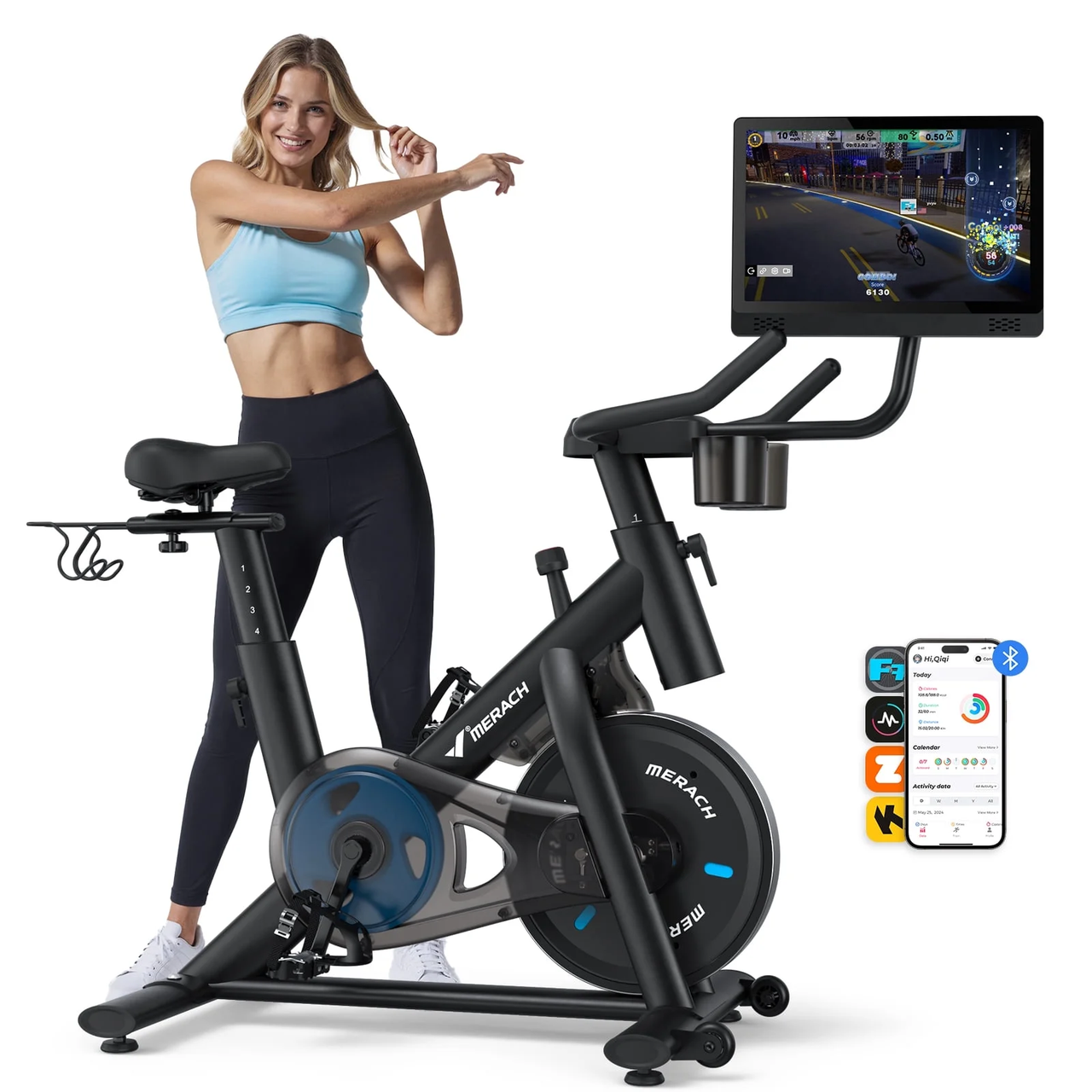
Abstract: Curated for small apartments, renters and compact living spaces, discover the 2026 top 5 quiet, space-saving stationary bikes. We break down...
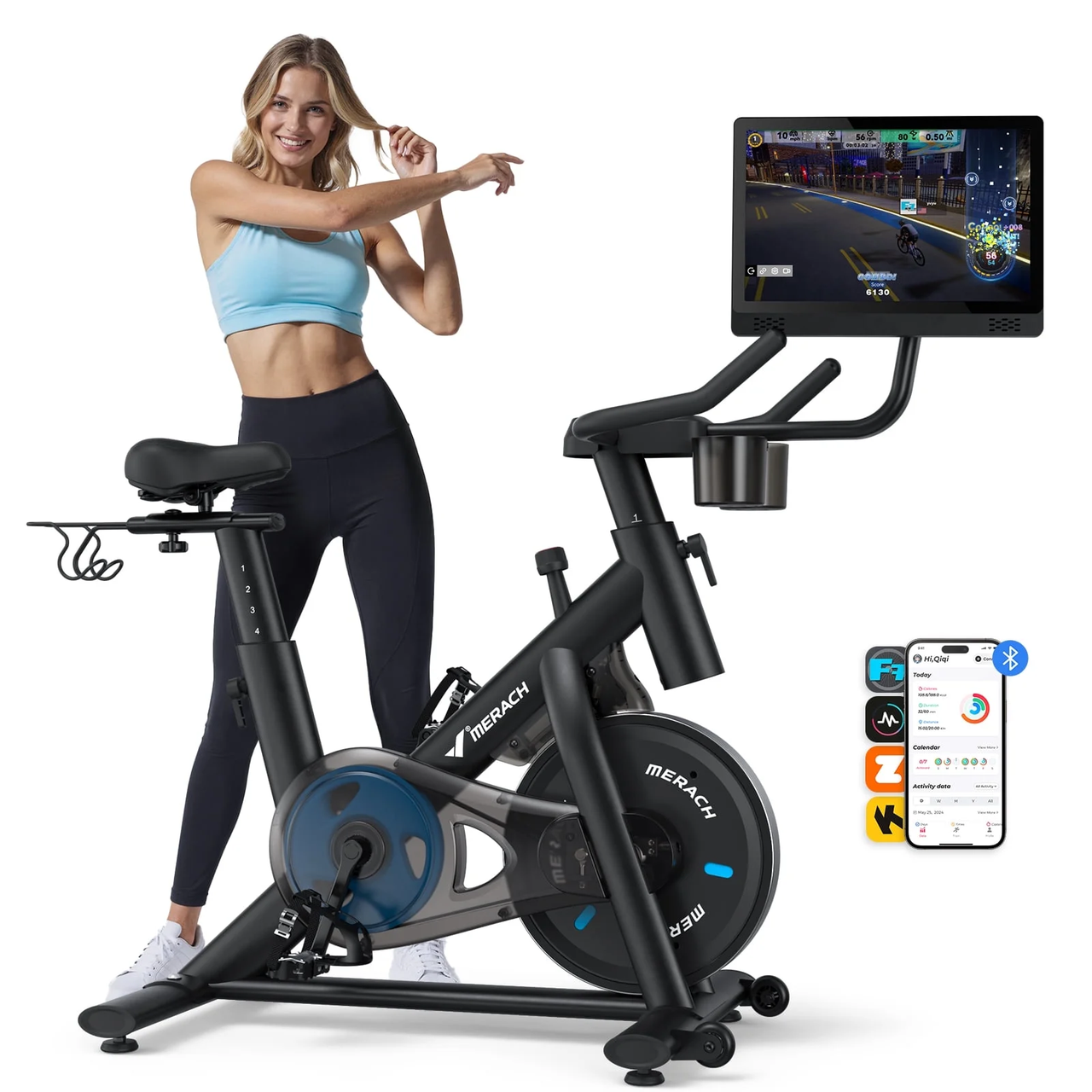
Looking for a quiet, reliable home stationary exercise bike that fits your budget? We’ve tested and reviewed 5 top options for 2026, covering budget-friendly, space-saving, heavy-duty and beginner-friendly models. Learn their key features, pros/cons and how to choose, to enjoy convenient home cardio without noise or overspending.
![The Ultimate In-Depth Guide to Stationary Exercise Bikes(Part 2)-image.png](https://virtualman.oss-cn-beijing.aliyuncs.com/media_upload/material/68a...